
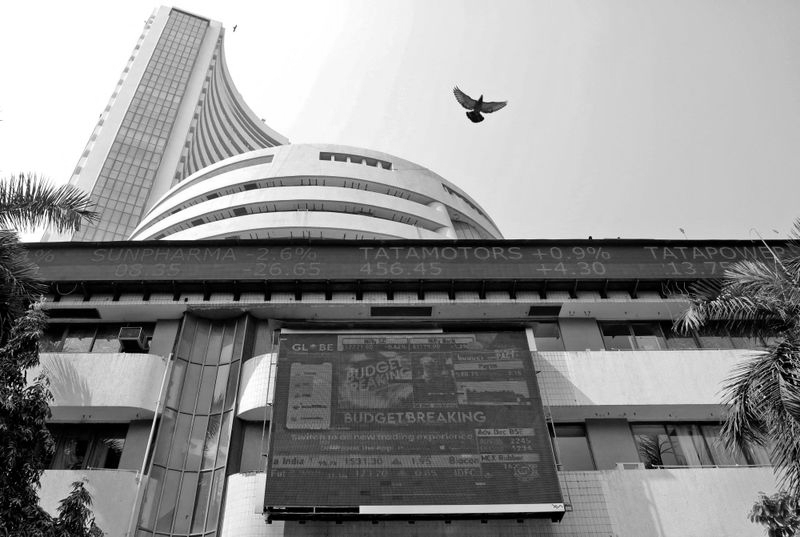
Markets Bleed for Second Straight Day as West Asia Crisis Deepens, Sensex Drops 516 Points
Indian equity markets witnessed another turbulent session on Friday, with benchmark indices closing sharply lower as escalating tensions in West Asia unnerved investors and reignited fears of disruptions in global crude oil supplies.
The BSE Sensex tumbled 516.33 points to settle at 77,328.19 , while the NSE Nifty50 declined 150.50 points to close at 24,176.15 . During the day, the Sensex had plunged nearly 700 points , reflecting the nervousness gripping Dalal Street.
The selloff came amid renewed military tensions involving the United States and Iran near the strategically crucial Strait of Hormuz , a region considered vital for global oil transportation. The geopolitical uncertainty pushed investors towards caution, with concerns rising over higher crude prices and their possible impact on inflation and economic growth.
Global crude oil prices hovered around the USD 100 per barrel mark, keeping markets on edge. Analysts warned that any prolonged disruption in oil movement could significantly affect oil-importing countries like India.
Apart from geopolitical worries, continued foreign institutional investor (FII) selling , weak global cues, and pressure in banking counters further dragged the market lower. FIIs had sold equities worth more than Rs 340 crore in the previous trading session, adding to investor anxiety.
Banking shares emerged as the biggest losers of the day. State Bank of India plunged more than 6 per cent after its quarterly earnings failed to impress the Street. Heavyweights such as HDFC Bank, Axis Bank, Bajaj Finance, UltraTech Cement , and Mahindra & Mahindra also ended significantly lower.
Despite the broader weakness, a few stocks managed to shine. Titan surged nearly 5 per cent after reporting strong quarterly earnings driven by robust jewellery sales. IT stocks also offered some support, with Infosys and HCL Tech ending in positive territory.
Asian and European markets also traded cautiously as investors across the world closely monitored developments in West Asia. Analysts believe market volatility may continue in the coming days, depending on geopolitical developments, crude oil movements, and global investor sentiment.